Founder · Systems Engineer · Since June 2026
Vertesys
A vehicle control platform I founded and engineer end to end: control unit firmware, the tool that generates it, dashes, telemetry and data analysis. Proven on an electric pitbike and on the Volta race car.
After Volta, I wanted to build the whole control stack myself, at a price a small EV builder or student team could afford.
The core idea: describe the vehicle in a desktop tool, and the tool generates, builds and flashes the firmware. Around it sit CAN dashes, telemetry and data analysis. Each part below is tagged with how far it has been proven.
How it fits together
One chain, from configuration to track data
Configure
Vehicle, motor, battery, CAN map and limits in VCU Forge.
Generate & verify
Firmware generated, built and tested on PC and on the target.
Run
STM32 VCU controls the inverter, with safety states and traction control.
Display & log
CAN dashes show live data, tune parameters and log every frame.
Analyse
Logs open in NewAnalysis or MoTeC i2; teams share them in the cloud.
Try it
The Volta race screen, running in your browser
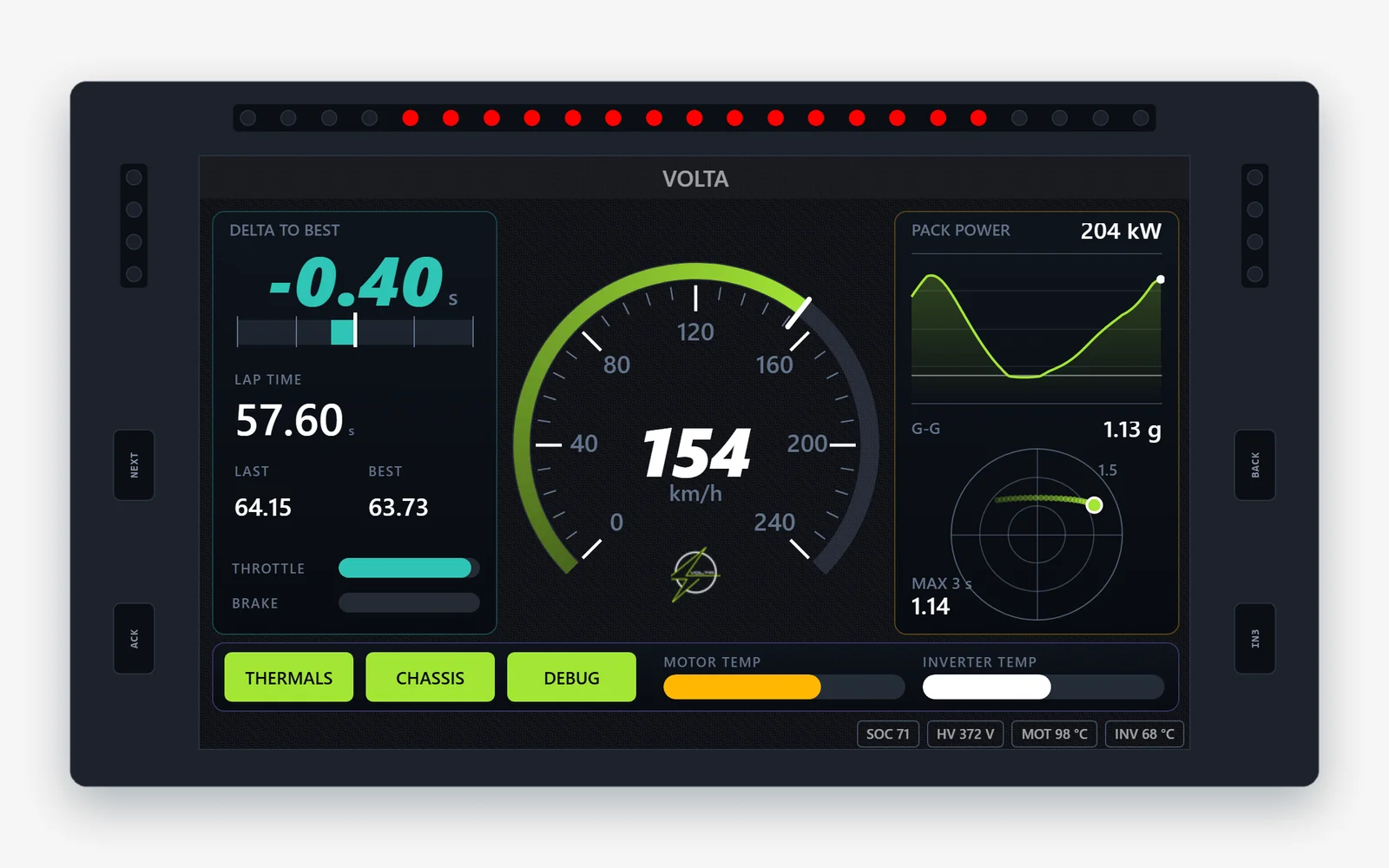
The race screen I laid out in DashForge for the Volta dash, redrawn here with simulated data. An autopilot drives a short lap; take over and watch the dial, power trend, G-G and LED power bar react.
Tap THERMALS or CHASSIS on the screen to switch pages. Simulation only, not real car data.
Components
What I built, and how far each part got
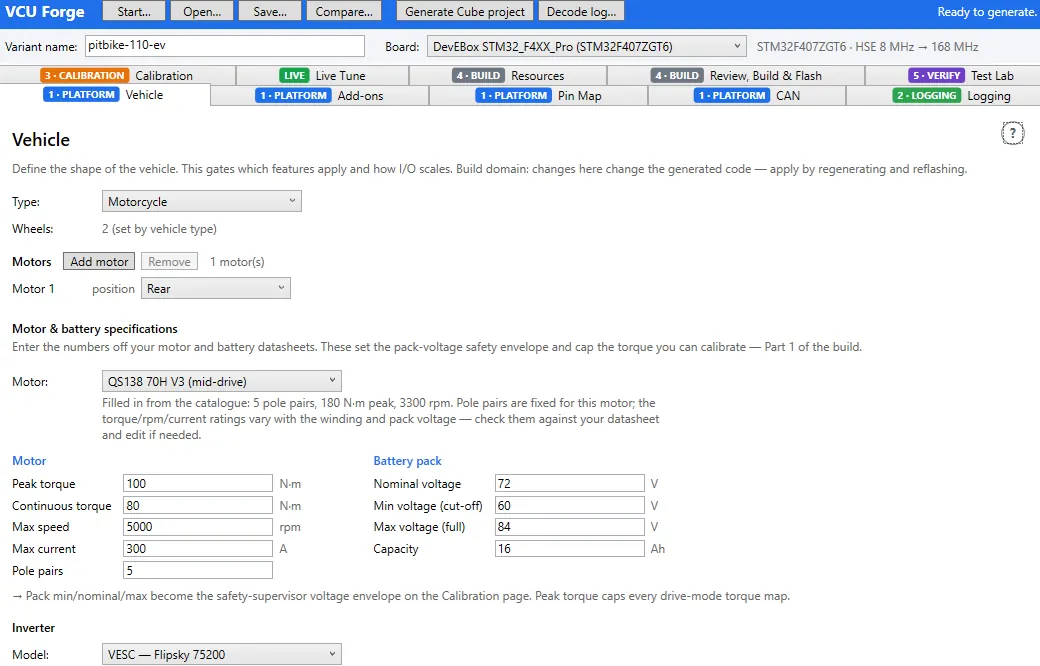
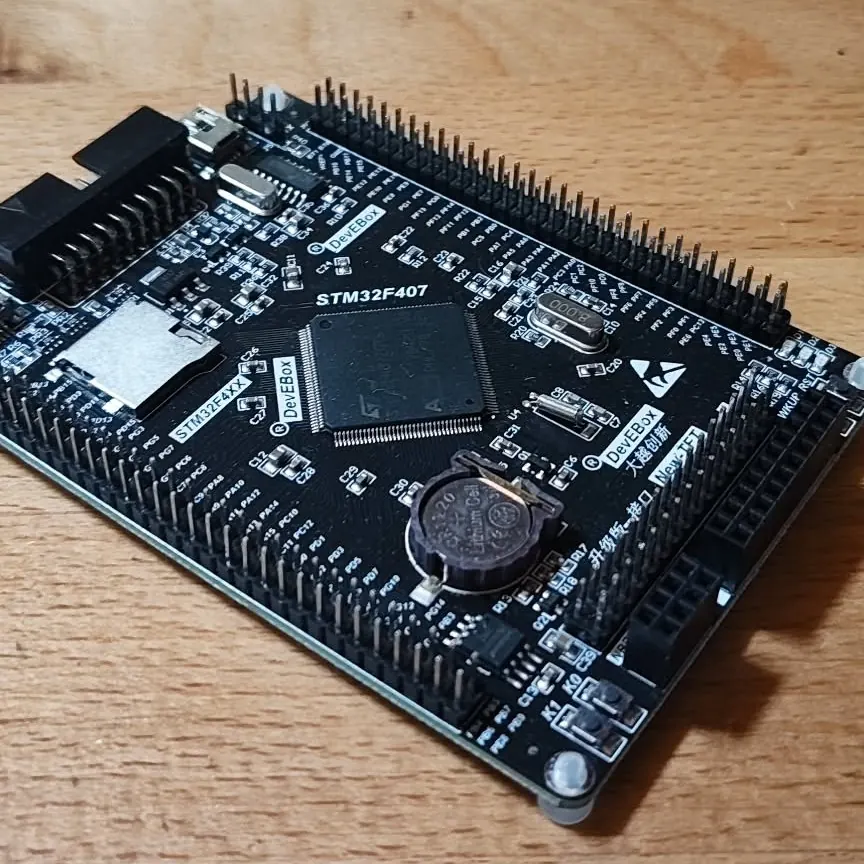
Vehicle control unit, and the tool that writes its firmware
STM32F407 firmware in C, generated per vehicle by VCU Forge (C#): configure, generate, build, flash, tune live.
- Control: safety states, throttle plausibility, ride-mode torque maps, traction and wheelie control, regen
- Verification: 1,000+ core tests, 18 firmware variants built with zero warnings, processor-in-the-loop
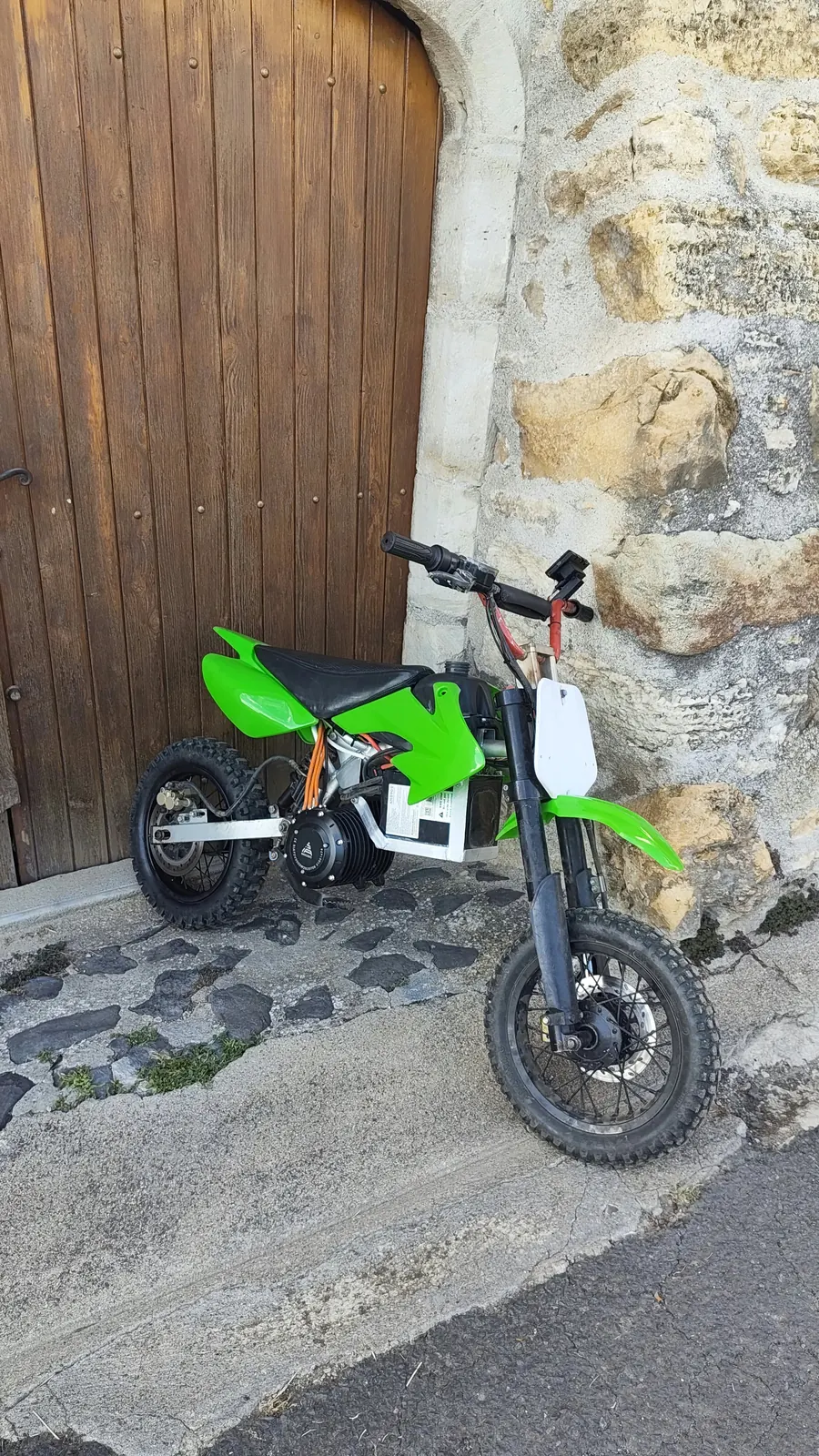
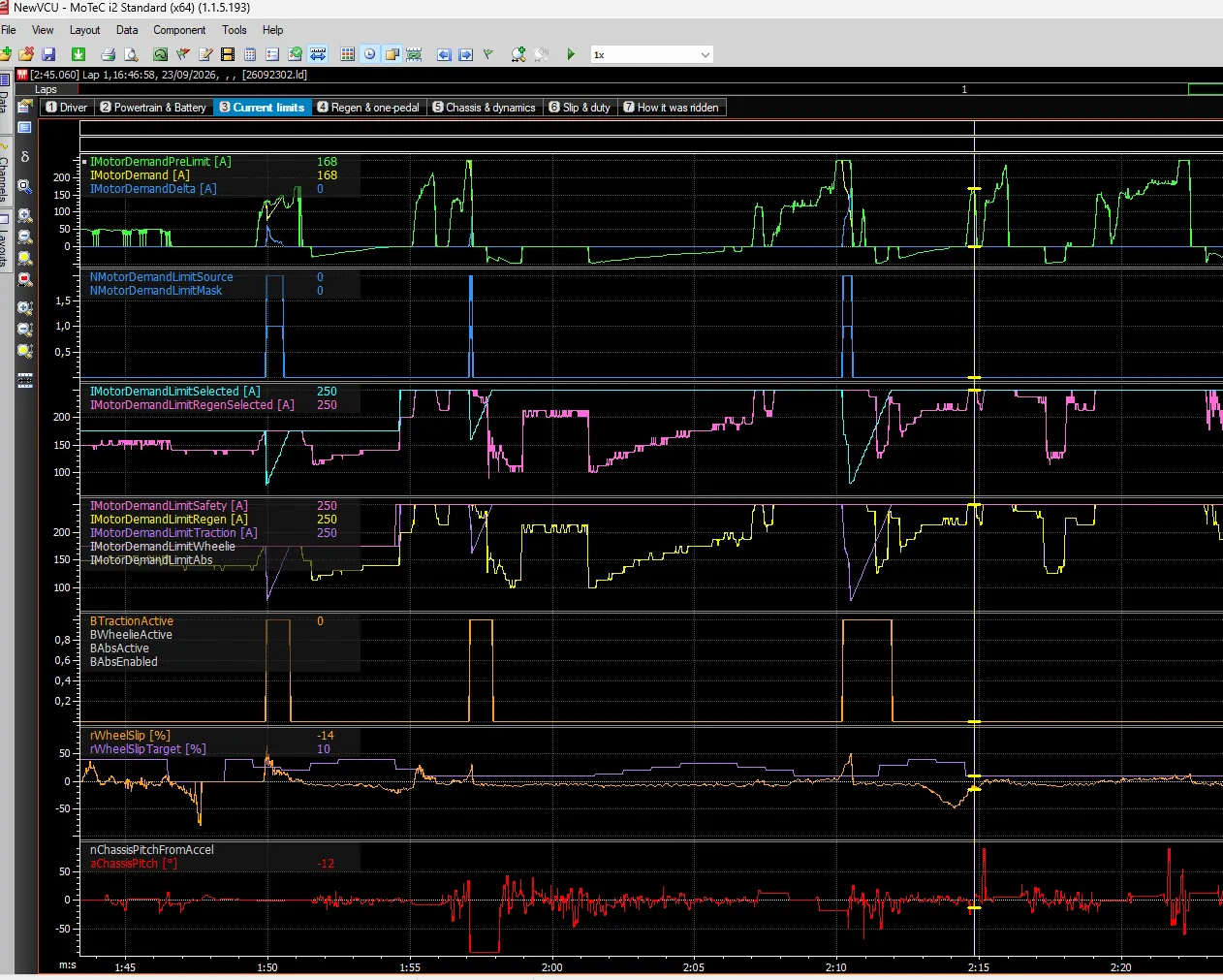
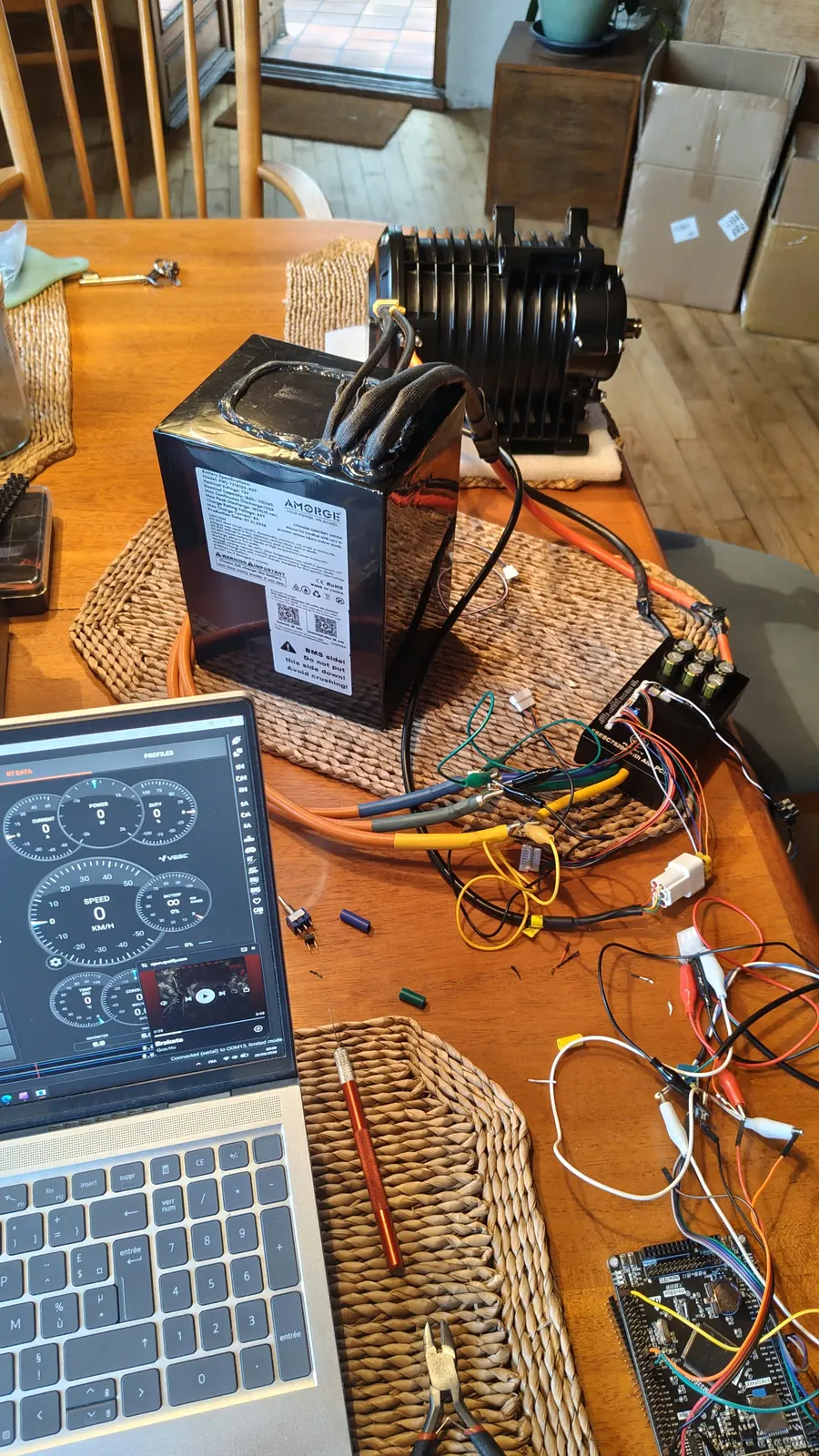
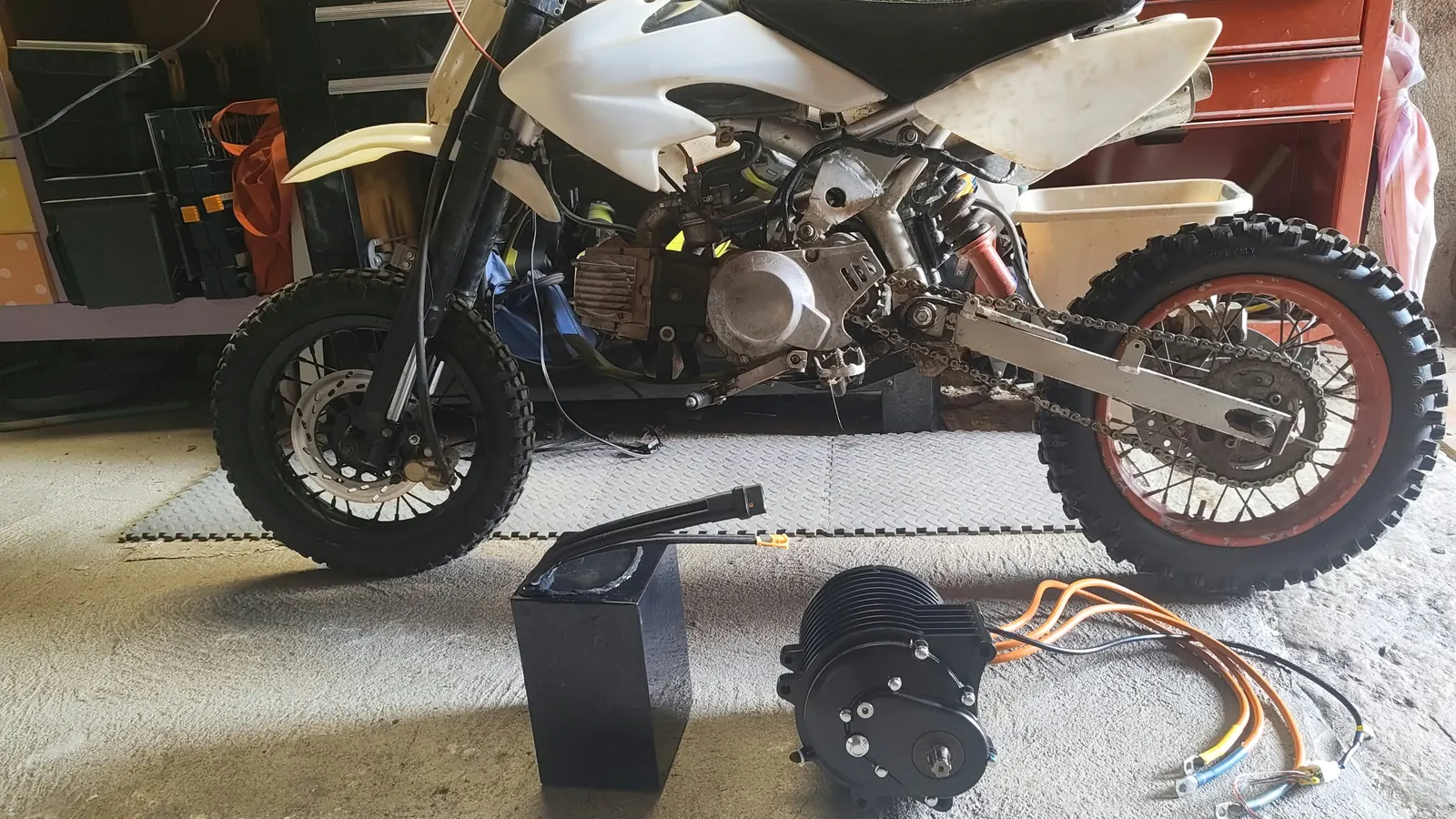
An electric pitbike as a rolling test bench
A 110cc pitbike converted to about 7 kW electric (QS138 motor, VESC inverter over CAN, 72 V pack) to prove the whole chain on a real vehicle.
- Controls in use: ride modes, traction control (78 logged interventions), regen
- Data: every ride exported as native MoTeC .ld files for i2
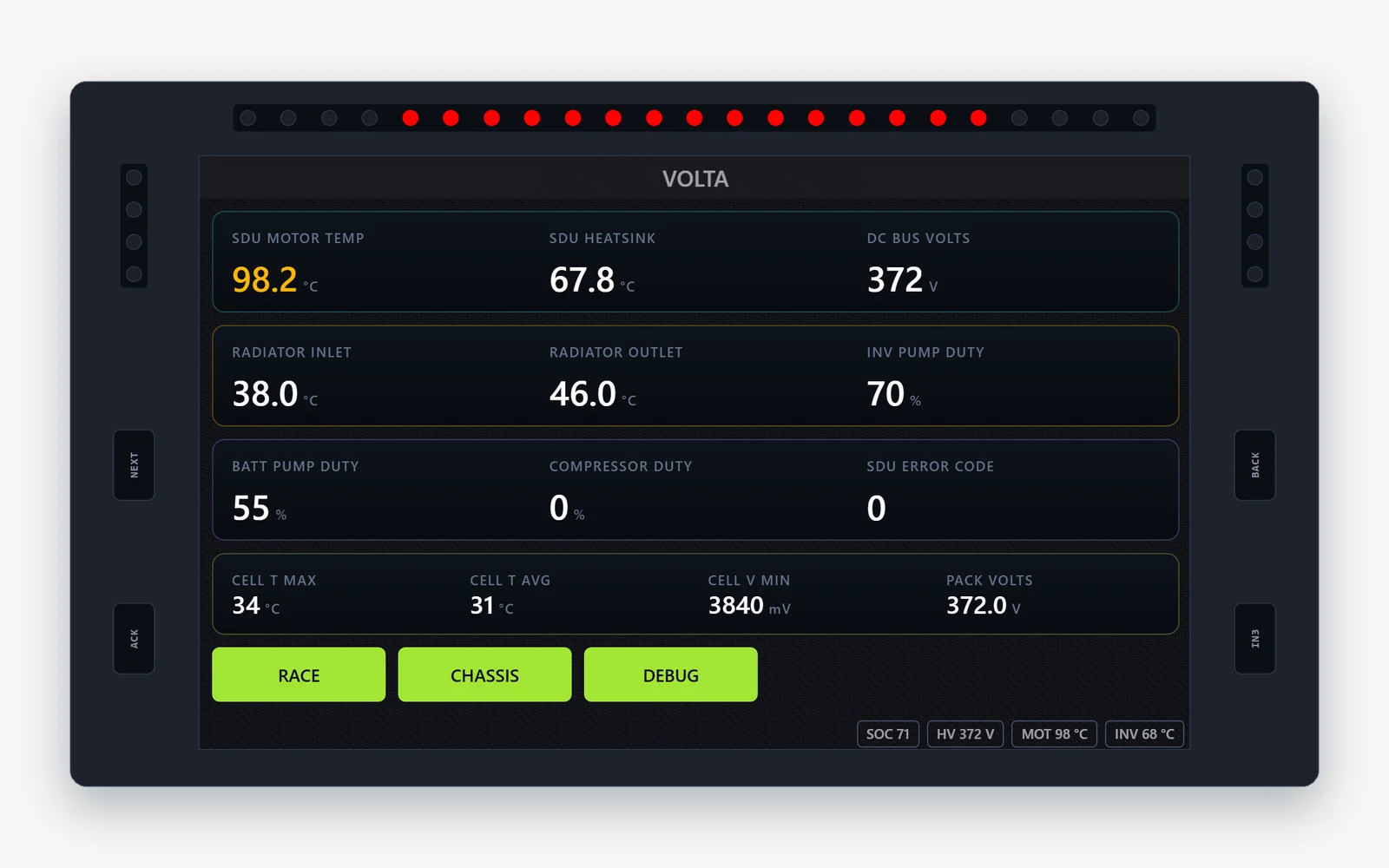
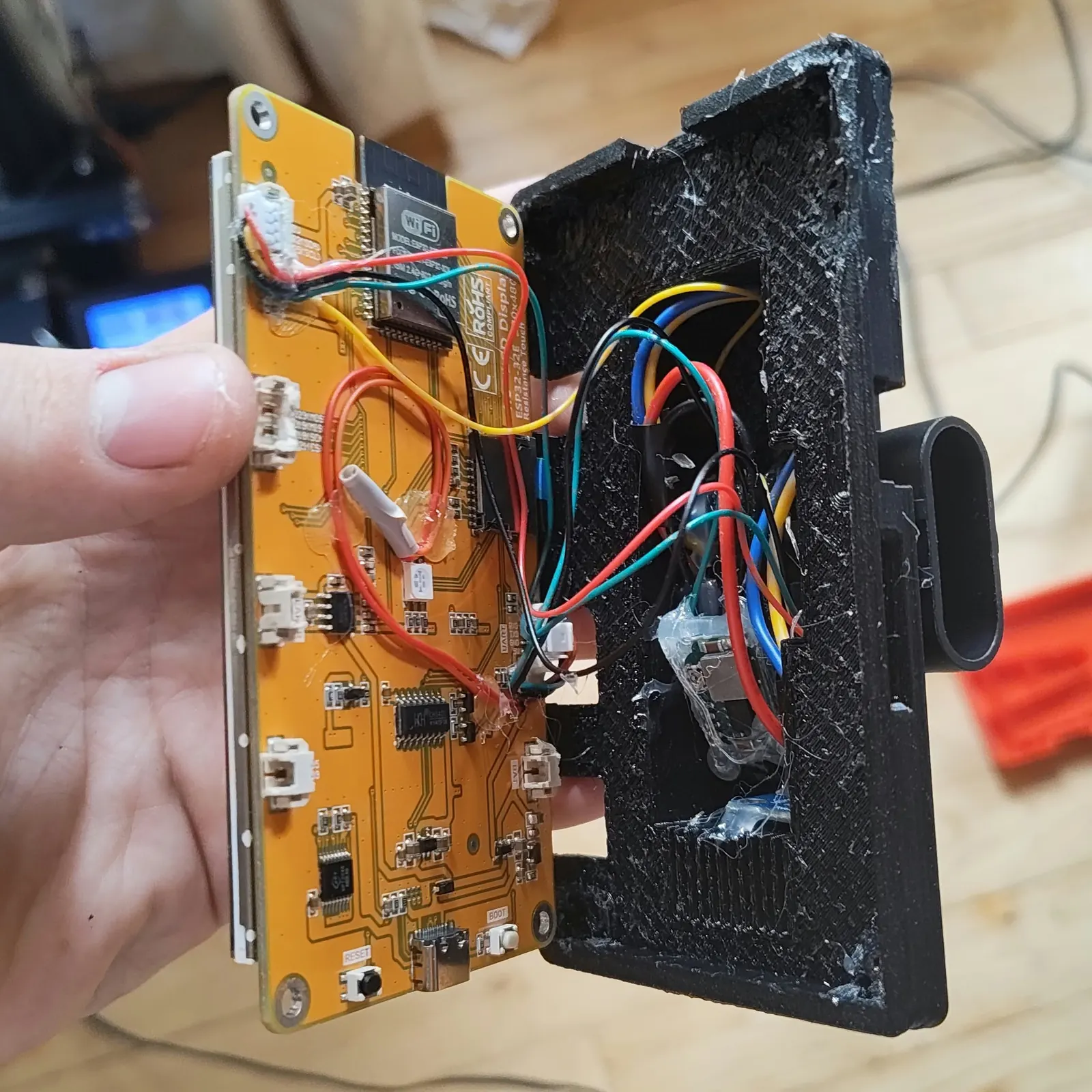
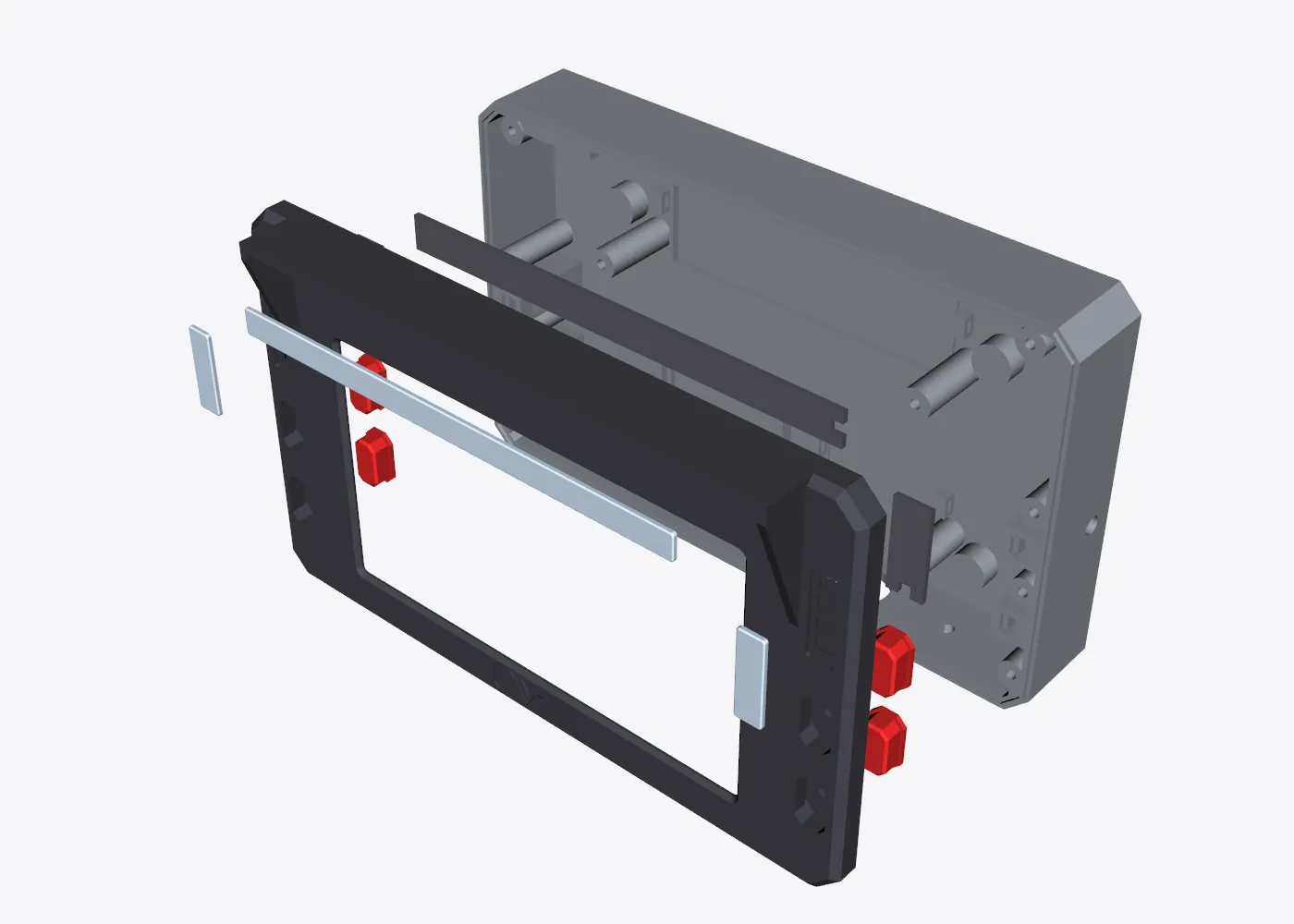
CAN dashes, and a designer to lay them out
ESP32 / LVGL dashes, configured from layouts made in DashForge instead of being recompiled.
- 4" dash: ridden on the bike, with live parameter tuning over CAN
- 7" pro dash: 4G, GNSS and shift lights; logged 4,000 CAN frames/s with zero dropped on the Volta race car
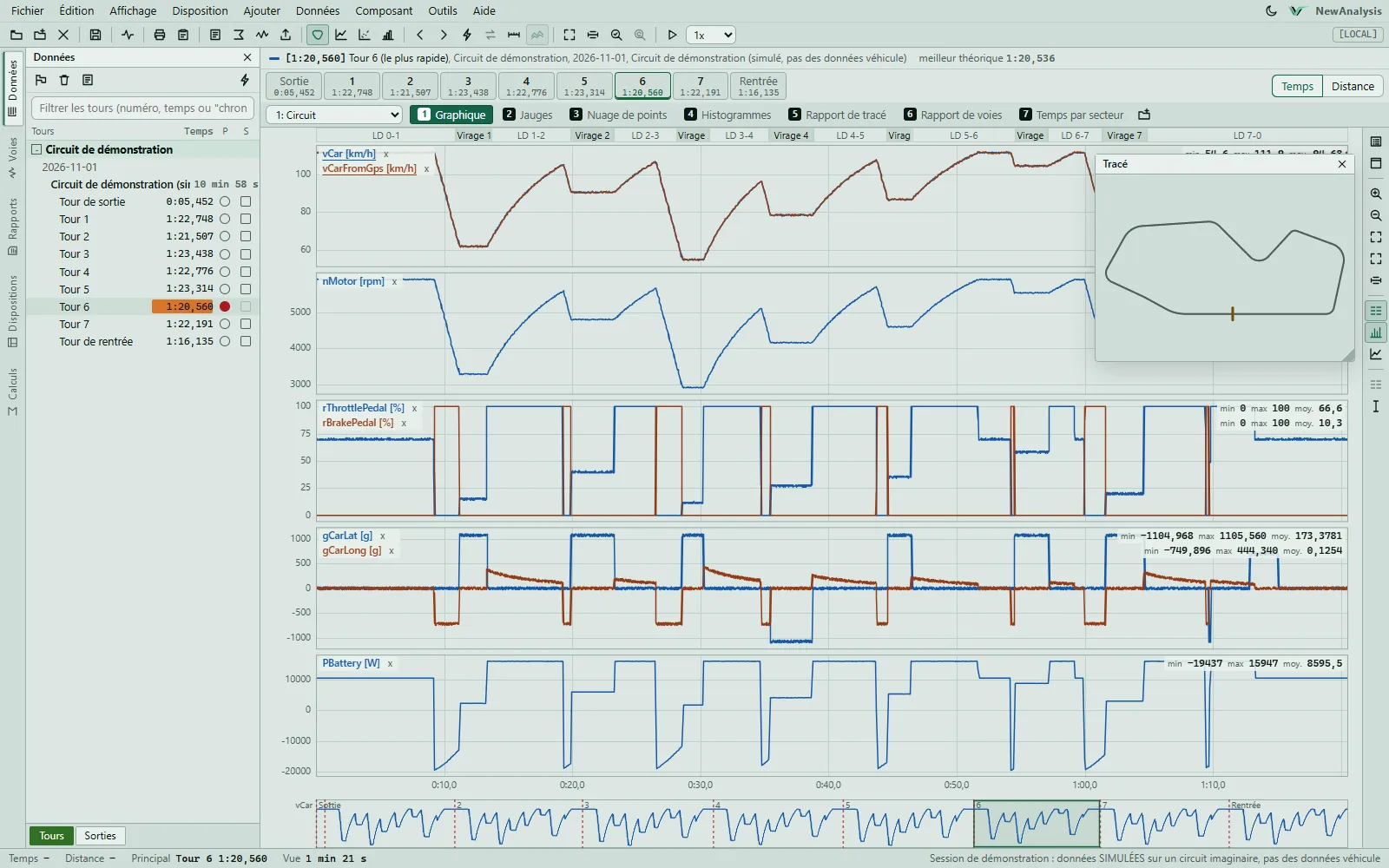
From the car to the engineer's screen
- Telemetry: 4G node that streamed the Volta race car's CAN data live
- NewAnalysis: web and desktop log analysis with MoTeC export
- DashForge Cloud: in production, used by two student race teams
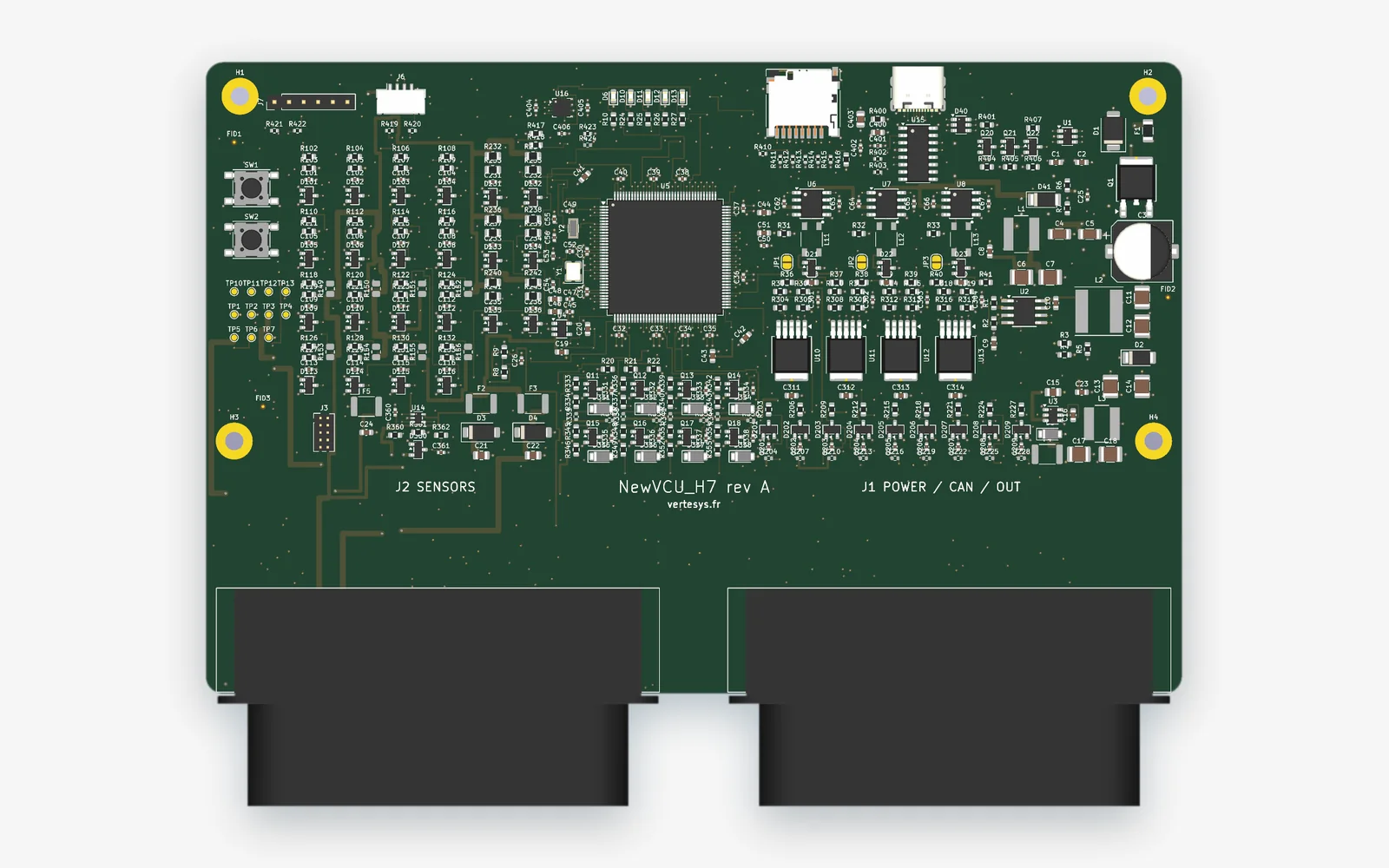
Custom boards and model-based tools
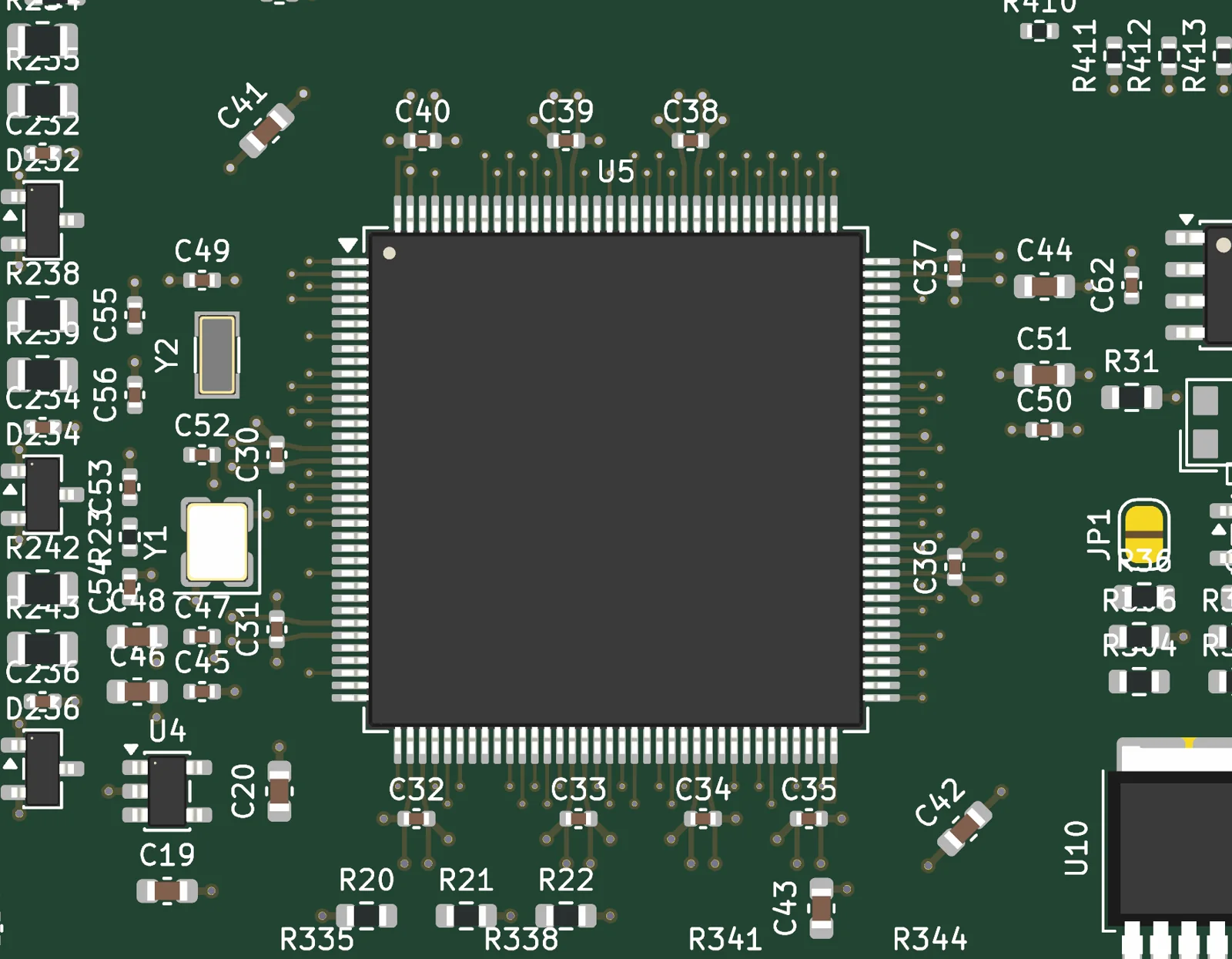
- Custom VCU boards: STM32F407 and STM32H723 (3× CAN FD) designed in KiCad; not fabricated yet
- Model editor: Simulink-style blocks to C, checked against Embedded Coder output
- HIL: vehicle simulator built, first run pending
Behind the project
How I work, and what running a venture taught me
Verification first, AI-assisted
I write the specification, architecture and test plan, implement with AI coding assistants, and verify against independent references: test oracles, Embedded Coder, MoTeC i2 and the vehicle itself. Design decisions and validation are mine.
A product, not only a project
Vertesys became a brand in October 2026, with two student race teams relying on it: customer feedback, bilingual documentation and licensing came with that. I am looking for a full-time motorsport role from February 2027, and this is the experience I bring to it.
Timeline
Six months, bench to track
Jun 2026
First firmware bring-up on STM32
Jul 2026
CAN on a real wire: 101k frames, zero errors
Aug 2026
Motor turns under VCU command; first dash boot
Sep 2026
First ride on the bike, VCU Forge v1
Oct 2026
Vertesys brand, cloud in production, first team on board
Nov 2026
Pro dash and telemetry tested on the Volta race car
Contact
Open to new challenges in the world of motorsport
Open to full-time roles in motorsport engineering from February 2027. Based in France, open to relocation internationally.